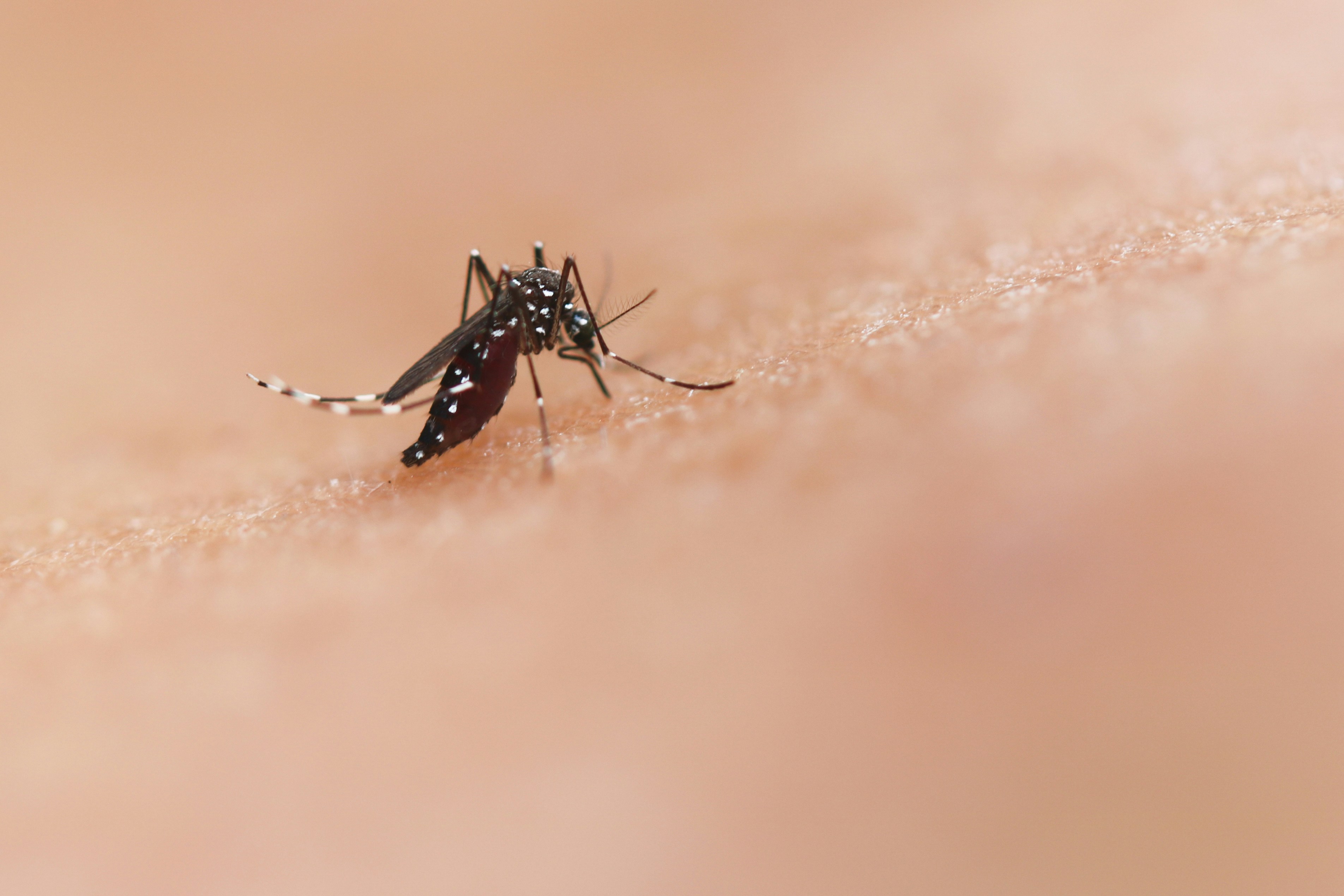
Formed by the Philanthropy Asia Alliance, Temasek Foundation and Temasek Life Sciences Laboratory, the Global Consortium Against Mozzies (GCAM) aims to help move proven and emerging interventions from research to regional deployment before climate change widens the threat.
Singapore, 18 May 2026 — The science to reduce mosquito-borne disease is advancing faster than the systems designed to deploy it. Vaccines, Wolbachia-based vector control, and genomic surveillance are each producing encouraging results, with Wolbachia alone having helped prevent more than one million dengue cases, according to the World Mosquito Program.
What these advances are missing is a shared architecture for funding and coordination that matches their potential, and delayed deployment increases the risk that outbreaks spread, evolve, and become both harder and costlier to contain.
The Philanthropy Asia Alliance (PAA), Temasek Foundation, and Temasek Life Sciences Laboratory have formed the Global Consortium Against Mozzies (GCAM) to close that gap. Announced at the Philanthropy Asia Summit (PAS) 2026 in Singapore, GCAM will align philanthropic capital, scientific expertise, and programme delivery to ensure that effective solutions reach the populations that need them, while enabling emerging methods to be deployed in the field with greater speed.
Vector-borne diseases, most of which are mosquito-borne, cause more than 700,000 deaths annually, with the heaviest burden carried by communities in Africa, Asia, and Latin America. Climate projections suggest the window for early, decisive action is narrowing. Modelling studies suggest that global dengue incidence could increase by around 50% or more by 2050 as warming temperatures extend the range of Aedes mosquitoes across Asia and the Americas, while separate modelling projects 123 million additional malaria cases in Africa over the same period. Acting now, while the scale of the problem remains within reach of current tools and funding capacity, offers a far stronger return than responding after outbreaks have occurred and grown harder to contain.
GCAM is being developed through initial discussions with leading philanthropic funders, scientific institutions, and global health organisations that share common interests in tackling mosquito-borne diseases. To date, GCAM has engaged with organisations including Institute of Philanthropy (IoP), Wellcome, National Innovation Center par Excellence (NICE), Coalition for Epidemic Preparedness Innovations (CEPI), Asia Pacific Leaders Malaria Alliance (APLMA), alongside PAA and Temasek Foundation.
PAA serves as the convener and impact catalyst, drawing on the Alliance's experience in building funders' collaboratives across its mandate areas in health, climate, and inclusive development. Temasek Foundation contributes scientific and programme curation leadership, grounding the consortium's catalytic philanthropic capital in evidence and ensuring they can be deployed at regional scale. Peter Chia, CEO TLL said, “Temasek Life Sciences Laboratory lends its research expertise to the consortium as a technology provider and technical partner, supporting the acceleration of next generation vector control research and development for local and regional deployment.”
GCAM reflects PAA's broader approach to bringing funders and partners together around interconnected challenges. Shaun Seow, CEO PAA, said, “Addressing complex health challenges requires the alignment of public agencies, scientific institutions, and philanthropic capital around a shared purpose. As rising temperatures and changing climate patterns push mosquito-borne diseases into new regions, coordinated responses are essential. Philanthropy’s role is to take early risk, enable collaboration, and crowd in the capital and partnerships needed to scale. GCAM exemplifies this approach and reflects how PAA is advancing collective impact across its Health mandate.”
The consortium will focus its resources across three interdependent priorities.
• Strengthen surveillance: Track dengue serotypes, viral evolution, and population-level shifts in mosquito vectors, providing ministries of health and public health agencies with the lead time to anticipate and plan for outbreaks, and to position interventions ahead of transmission peaks.
• Coordinated vector control and next-generation tool development: Align regional vector-control strategies so they reinforce one another through shared release zones, timing and monitoring protocols, while advancing new tools such as heat-tolerant Wolbachia strains, improved sterile insect technique protocols, genetic sex-sorting tools, and transmission-blocking approaches with regional partners.
• Accelerated deployment of advanced vaccines and therapeutics: Support the introduction of promising next-generation tools against mosquito-borne diseases, with particular emphasis on interventions with stronger delivery potential at scale and can strengthen both outbreak response and longer-term disease control.
These priorities have typically been addressed in isolation, but each strengthens the next. Better surveillance informs public health decision-making and smarter deployment, while field data from well-aligned programmes feeds back into research, sharpening the methods available for the following cycle. GCAM's design reflects a conviction that the greatest gains come when these efforts compound through stronger coordination.
Dr Lee Fook Kay, Head of Pandemic Preparedness, Temasek Foundation, said, “Mosquitoes are moving into higher altitudes, colder latitudes, and other places they have never occupied before. There is a narrow and closing window to act with far lower human, social and economic costs before an outbreak occurs. Through GCAM, we aim to demonstrate what coordinated, science-led preparedness against mosquito-borne disease can achieve – by de-risking field trials, supporting cross-border deployments, and accelerating the next generation of tools that will be needed when current ones reach their limits.”
The science to protect millions of lives from mosquito-borne disease is ready. GCAM brings the collective philanthropic investment needed to deploy it at the scale and speed the moment demands.
###
About PAA
Philanthropy Asia Alliance (PAA) is a Temasek Trust initiative dedicated to catalysing collaborative philanthropy in Asia through dynamic multi-sector partnerships. By harnessing collective strengths, PAA multiplies impact, accelerates positive change, and takes urgent action to address the pressing environmental and social challenges of our time. PAA’s flagship programme is the annual Philanthropy Asia Summit. For more information, visit philanthropyasiaalliance.org.
About Temasek Foundation
Temasek Foundation supports a diverse range of programmes that uplift lives and communities in Singapore and Asia. Temasek Foundation’s programmes are made possible through philanthropic endowments gifted by Temasek, as well as gifts and other contributions from other donors. These programmes strive to deliver positive outcomes for individuals and communities now, and for generations to come. Collectively, Temasek Foundation’s programmes strengthen social resilience; foster international exchange and catalyse regional capabilities; advance science; and protect the planet. For more information, visit temasekfoundation.org.sg.
About Temasek Life Sciences Laboratory (TLL)
Founded in 2002, Temasek Life Sciences Laboratory is a non-profit organization focusing on research in molecular biology and genetics that impacts agriculture, food, industrial biotechnology, and human health. Through innovative partnerships and sustainable solutions, TLL strives to contribute to global sustainability and economic development.
Media contacts
For Philanthropy Asia Alliance: Nicole Tan, comms@philanthropyasiaalliance.org
For Temasek Foundation: Joshua Wong, joshuawong@temasekfoundation.org.sg
For Temasek Lifescience Laboratory: Tan Teng Li (Christy), tengli.tan@tla.com.sg





.tmb-.jpg?Culture=en&sfvrsn=bc45b11_1)

-will-succeed-mr-lim-boon-heng-(right)-as-chairman-of-the-paa-board40a4a6ed-ba32-431e-986d-6092ca7fe74a.tmb-.png?Culture=en&sfvrsn=c4cec17_1)