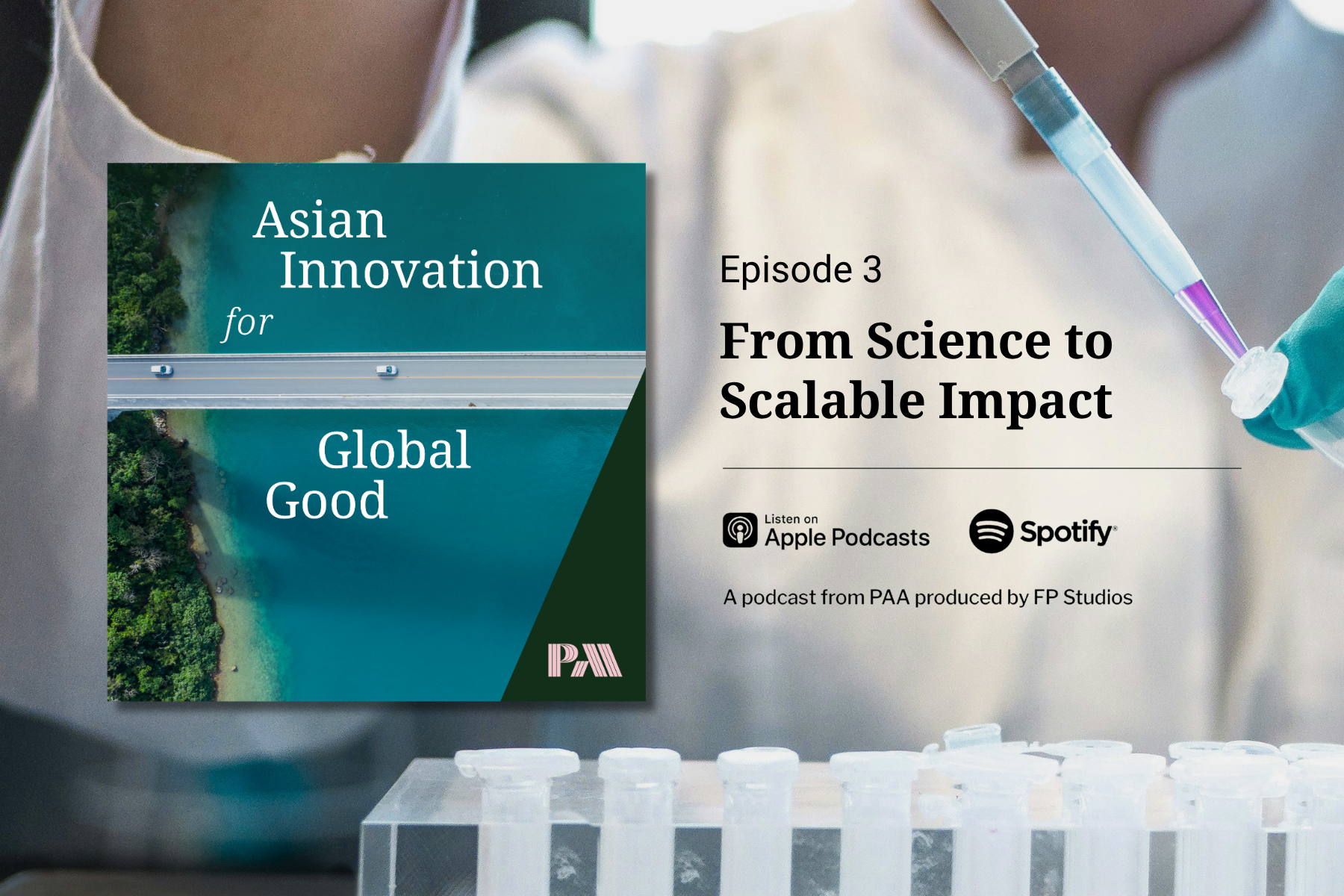
Screening twenty thousand rice varieties by hand once took fifty-two years. Artificial intelligence cut that to eighteen months, screening three times as many samples in a fraction of the time. AI-driven scientific innovation in Asia is compressing timelines and widening the room to turn scientific breakthroughs and data-driven tools into practical solutions for the region's most pressing challenges. This theme ran through the third episode ofAsian Innovation for Global Good, a podcast series by FP Studios and Philanthropy Asia Alliance (PAA).
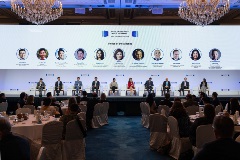
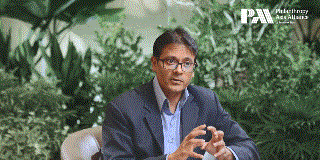
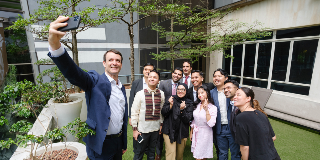
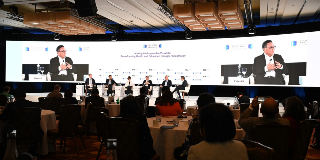
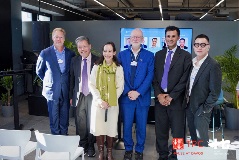
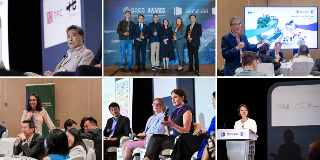
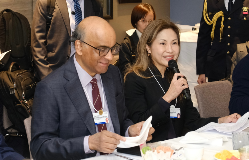
The episode was recorded live at the sixth Philanthropy Asia Summit in Singapore, where more than 2,500 delegates from over 60 countries gathered for three days of climate and health discussions alongside inclusive development work. Host Rob Sachs, Vice President of Audio at FP Studios, spoke with Yvonne Pinto of the International Rice Research Institute (IRRI), Anna Koivuniemi of Google DeepMind, Dr Ramanan Laxminarayan of the One Health Trust, Dr Lee Fook Kay of Temasek Trust, and Shaun Seow of PAA.
The limits of a laboratory breakthrough
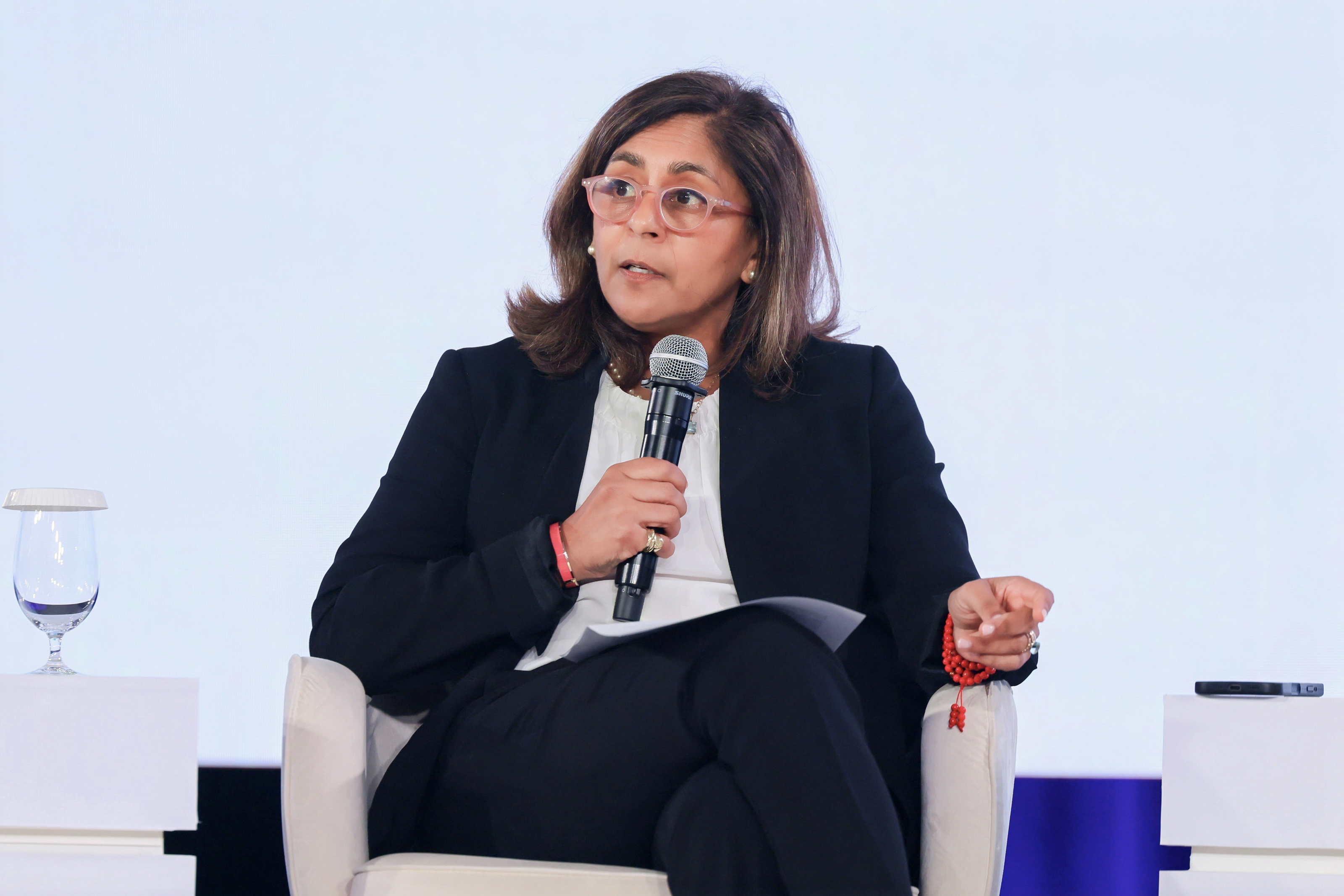
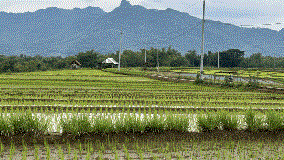
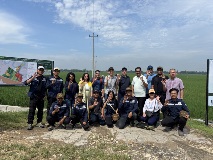
A breakthrough in the laboratory is not the same as a solution in the field. Closing that gap takes sustained work with the right partners across national borders, work that philanthropic capital and expertise are well placed to support. "The philanthropists that have accumulated at this event are thoughtful individuals who want to make a difference," Yvonne Pinto, director-general of IRRI, said of the Philanthropy Asia Summit, "and so it's a wonderful event to start talking about how we work with partners." IRRI's gene bank holds roughly 134,000 rice varieties, and machine learning turned the search for a single useful trait, such as flood tolerance, from a decades-long process into an eighteen-month one. Pinto's team then spent three years moving that discovery into the field, working with the Singapore government and regional governments to scale it. In Vietnam's Mekong Delta, the result can cut methane emissions by 40% to 60% and lift farmer income by a further 10%, proof that the science pays off only when other sectors pick up where the laboratory leaves off.
A model with Asia at its centre
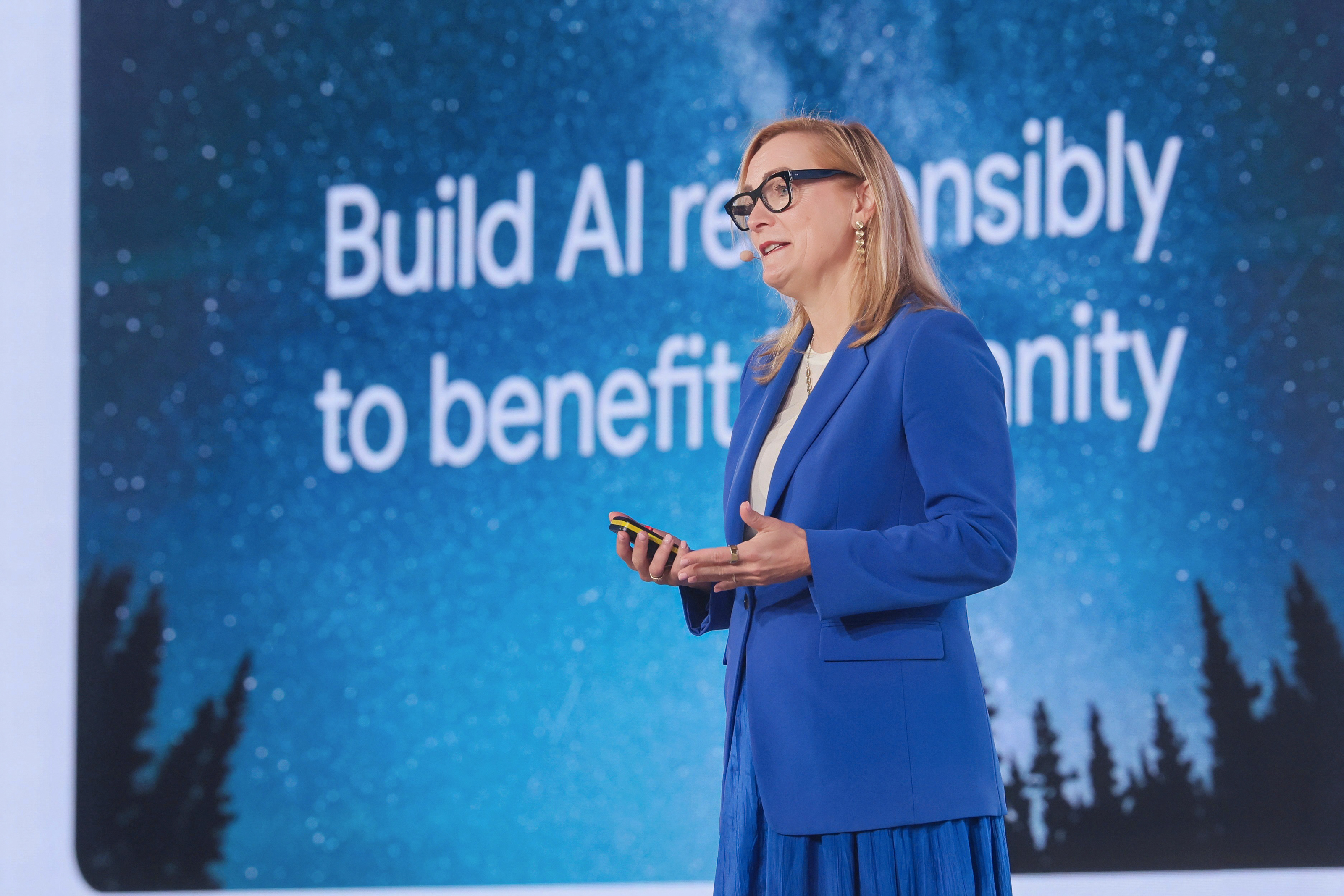
Google DeepMind's AlphaFold, built on the accumulated effort of researchers who had spent decades solving individual protein structures by hand, now has 3.3 million scientist users, and Anna Koivuniemi, head of Google DeepMind’s Impact Accelerator, is precise about where they sit. "One third of them are actually in Asia here, where we are today," she said, "and they are using it in many different areas." Where a laboratory once needed years to resolve the shape of a single protein, AlphaFold now predicts one in minutes, and DeepMind has made 200 million of those predictions freely available. One researcher used the tool to study a soil-and-water bacterium 100 times more lethal than dengue, responsible for an estimated 89,000 deaths a year, accelerating the search for a treatment.
From local insight to coordinated funding
Releasing a model is not the finish line. Koivuniemi says the work starts with people who understand the ground they are standing on, which is why DeepMind opened a lab in Asia Pacific rather than run the region from elsewhere. For her, the region's demonstrated ability to adopt AI points to a clearer path in turning that local understanding into impact.
Shaun Seow, PAA's CEO, takes that same instinct from the lab to the funders behind it. While philanthropists will continue to choose their own causes and set their own pace, Seow and his team at the Alliance focus on corralling different players to build coordinated responses. "What we want to do at the Alliance is really to get more funders coming together to think about the solutions that will really scale for the really wicked challenges we're facing now," he said.
The market failure philanthropy is built to catalyse
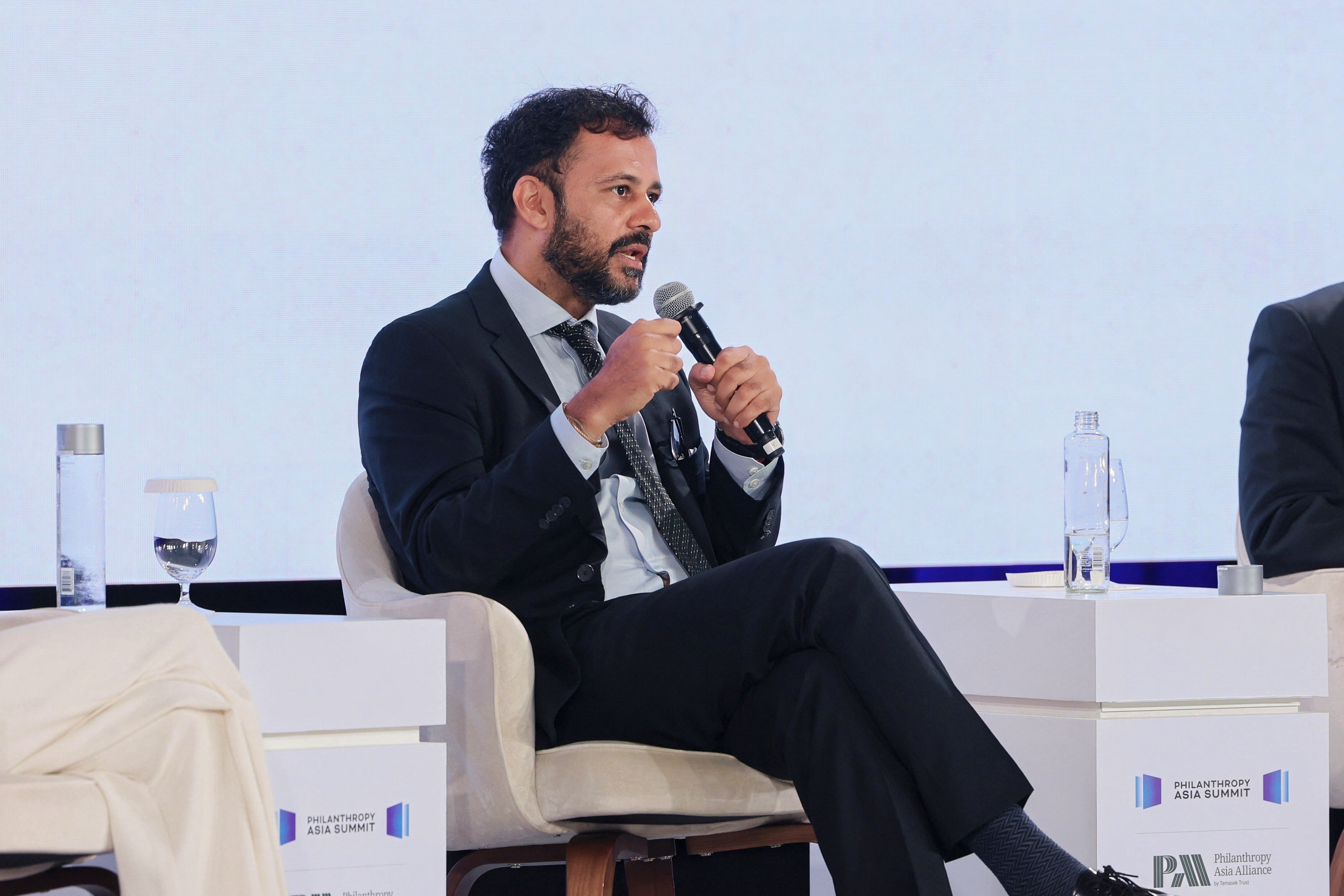
Scalability takes a different shape again in the field of Dr Ramanan Laxminarayan, founder and president of the One Health Trust, animal health, where the barrier is not adoption but a market that has never existed. Antimicrobial resistance has become one of the most serious threats to human health, a toll he traces to eight decades of antibiotic overuse in humans and livestock alike, with three-quarters of global antibiotic use going towards growth promotion in animals rather than treating disease. Telling farmers to simply stop does not work, he argues, and the workable alternative is subsidised animal vaccines, which carry the added benefit of lower emissions and reduced pandemic risk.
"Philanthropy should be investing in animal vaccine development because there's not the market to do it. There's a market failure here," Laxminarayan said. Philanthropy, he adds, is "meant to be catalytic," eventually handing adoption to the governments and farmers positioned to sustain it at scale.
Closing the coordination gap
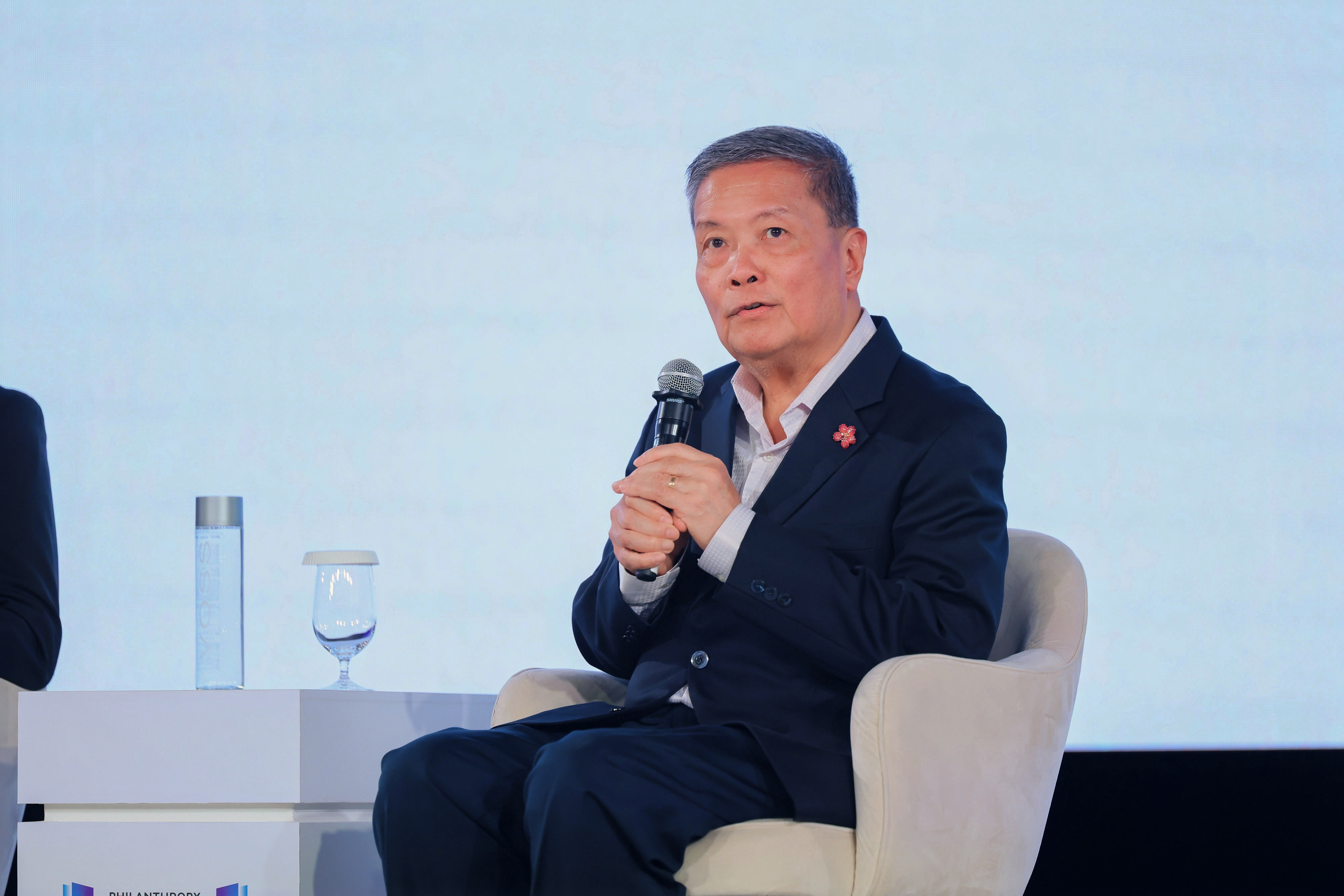
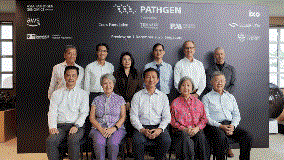
Catalytic funding only travels as far as the coordination built around it. At Temasek Trust, Dr Lee Fook Kay, head of the Health Collaborative, leads efforts to coordinate global responses to mosquito-borne disease, and his diagnosis is direct. The gap is not a shortage of tools but a shortage of coordination, the surveillance, information-sharing and joint disease-control measures that let separate national responses function as one. His answer is a consortium built on the four Ps, "philanthropic, public, private and people," in an attempt to close the distance between countries that have historically treated health data as proprietary. Temasek Foundation and PAA are developing PathGen towards that end, an AI-enabled platform that matches new pathogen data against existing global databases and contextual signals such as population movement, built so that vector control, vaccines and outbreak surveillance are addressed as one system rather than as separate, disconnected efforts.
What the compression asks of philanthropy
Across a rice gene bank, a protein database, a vaccine pipeline and a data-sharing consortium, every guest arrived at the same position from a different discipline. The series continues by looking at whether the partnerships built around these breakthroughs can add up to more than any single funder or institution could achieve alone. Artificial intelligence can compress the distance between a finding and a working solution, but that compression only holds where patient capital and public institutions build the coordination layer around it before the science outruns the systems meant to carry it. Asia's position as both a fast-adopting AI market and the region carrying the heaviest climate and health burdens can place it at the centre of writing that playbook for the rest of the world to follow.
Listen to episode 3 of the podcast here: https://foreignpolicy.com/podcasts/asian-innovation-for-global-good/









.tmb-.gif?Culture=en&sfvrsn=e13997ec_1)
.tmb-.gif?Culture=en&sfvrsn=b5ece239_1)
.tmb-.gif?Culture=en&sfvrsn=6fb3b6df_1)
.tmb-.png?Culture=en&sfvrsn=7fea9931_1)
.tmb-.gif?Culture=en&sfvrsn=3f4b1163_1)
.tmb-.jpg?Culture=en&sfvrsn=fedc60fc_1)